
Degasser plant
As the name suggests, a Degasser Plant is a device used to remove gases dissolved in liquids. Degassers are widely used in water treatment, oil drilling, petrochemical industries, and laboratories, where maintaining the quality and integrity of fluids is critical.
A Degasser helps in the elimination of dissolved gases, including methane, hydrogen sulphide (H₂S), carbon dioxide (CO₂), and air from liquids. By doing so, it prevents the formation of bubbles, enhances fluid performance, and ensures operational safety and reliability.
In oil drilling operations, a Degasser plays a vital role in both safety and process efficiency. It not only reduces the risk of gas-related accidents but also supports clean drilling operations, ensuring that drilling fluids maintain their desired properties.
In laboratories and industrial fluid handling, a Degasser is essential for maintaining accuracy, consistency, and quality of liquids. It prevents gases from venting out prematurely. Which is particularly important when dealing with produced water or other fluids that require controlled processing before disposal.
Furthermore, Degassers are crucial for protecting equipment and systems. By removing dissolved gases, they help prevent corrosion, scaling, and foaming in pipelines, tanks, and other equipment. By that extending their service life and reducing maintenance costs.
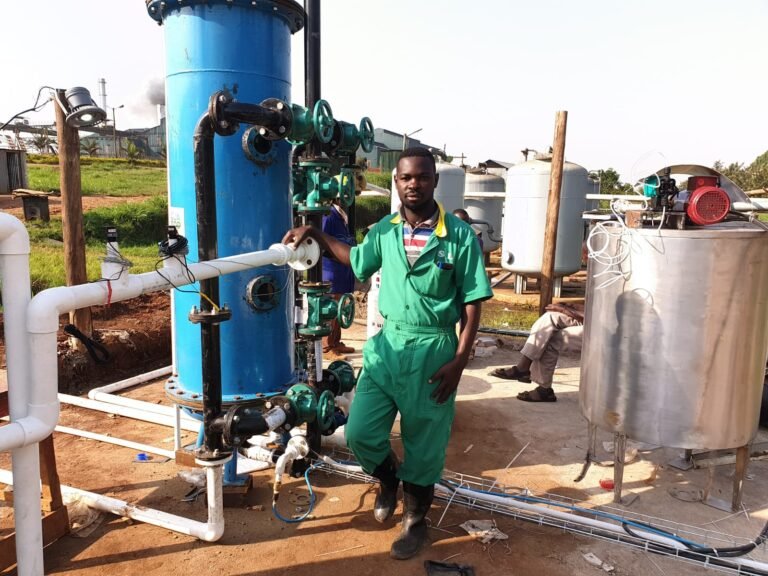
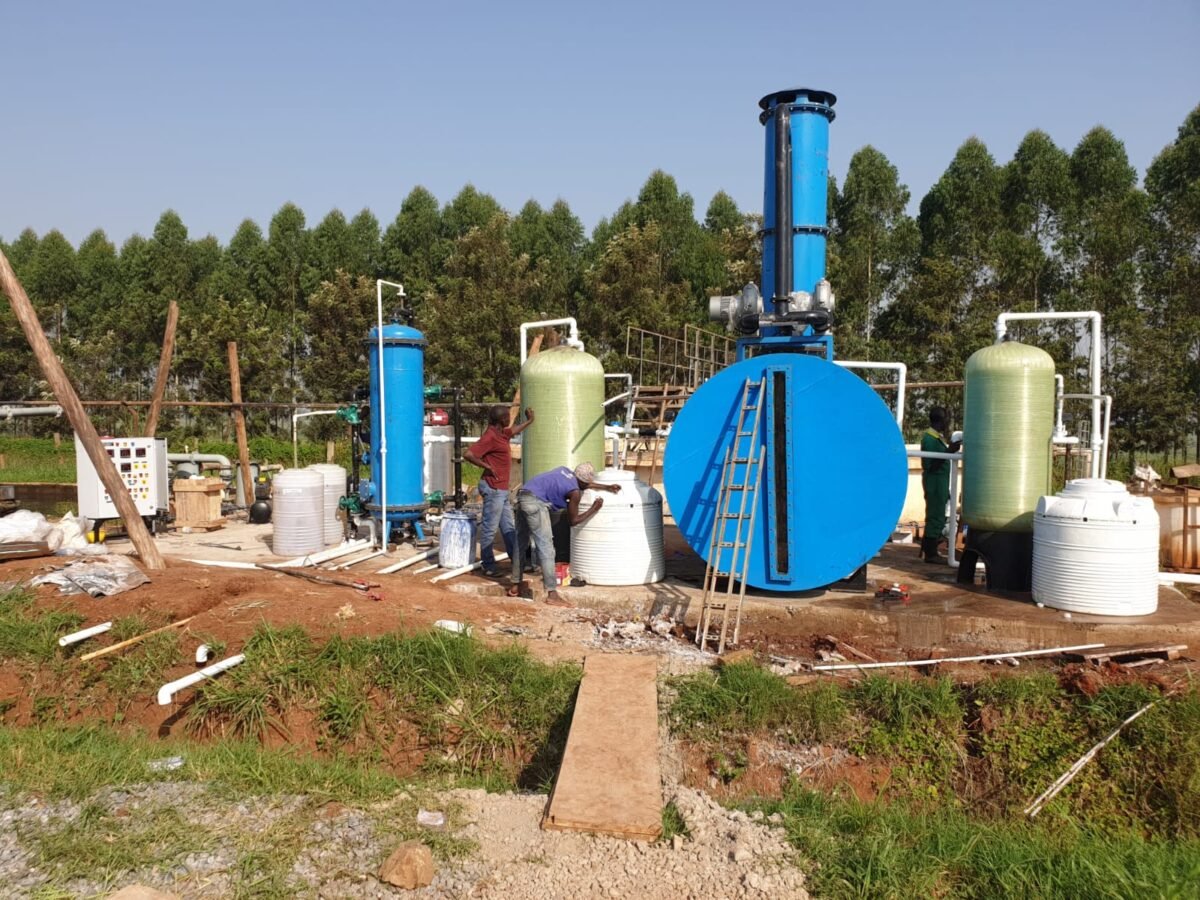
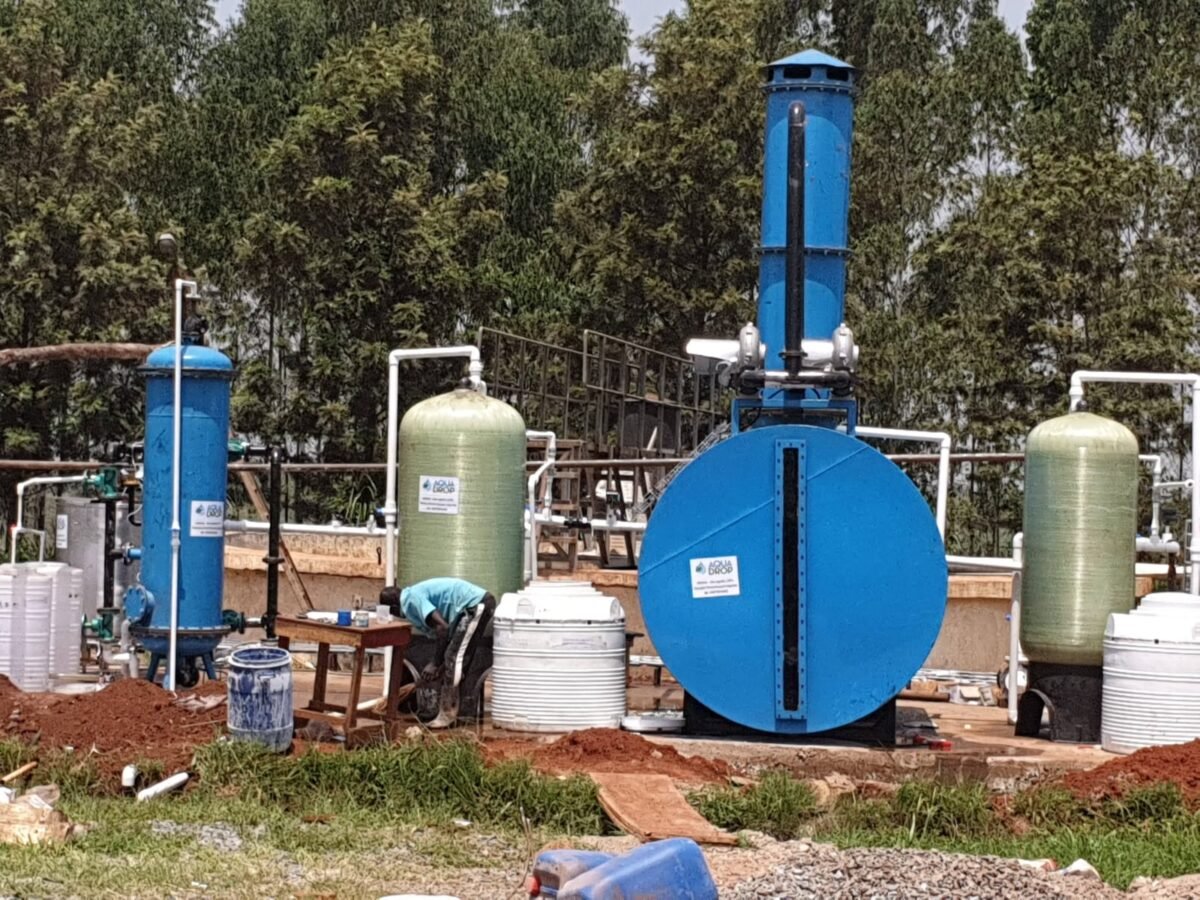
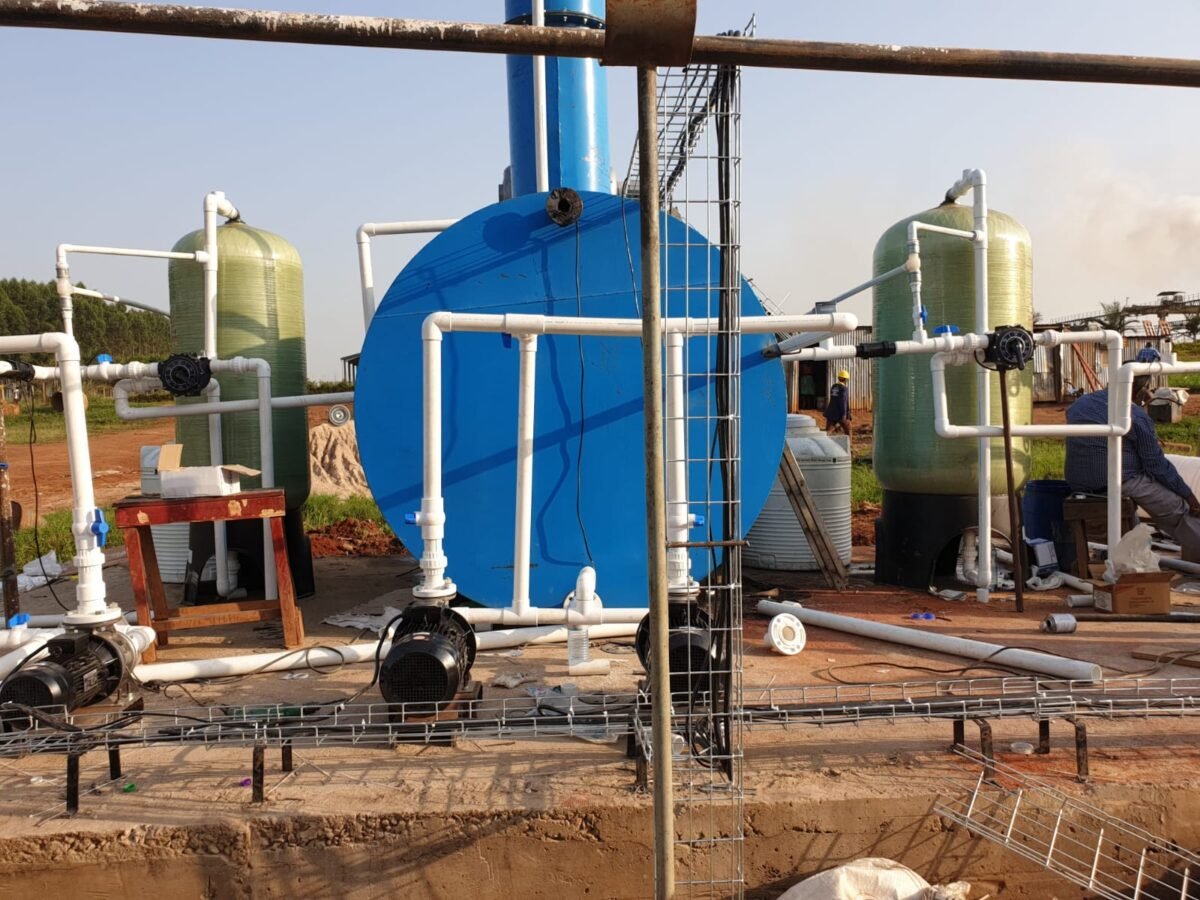
What is a Degasser Plant?
A Degasser Plant is used in water treatment systems to remove unwanted gases that are dissolved in water. One of the most common gases removed during this process is carbon dioxide (CO₂). When carbon dioxide stays in water, it can make the water slightly acidic, which may slowly damage pipelines, tanks, and other industrial equipment.
To solve this problem, industries often install a degasser unit as part of their water treatment setup. The system helps reduce the level of dissolved gases before the water moves to the next treatment stage.
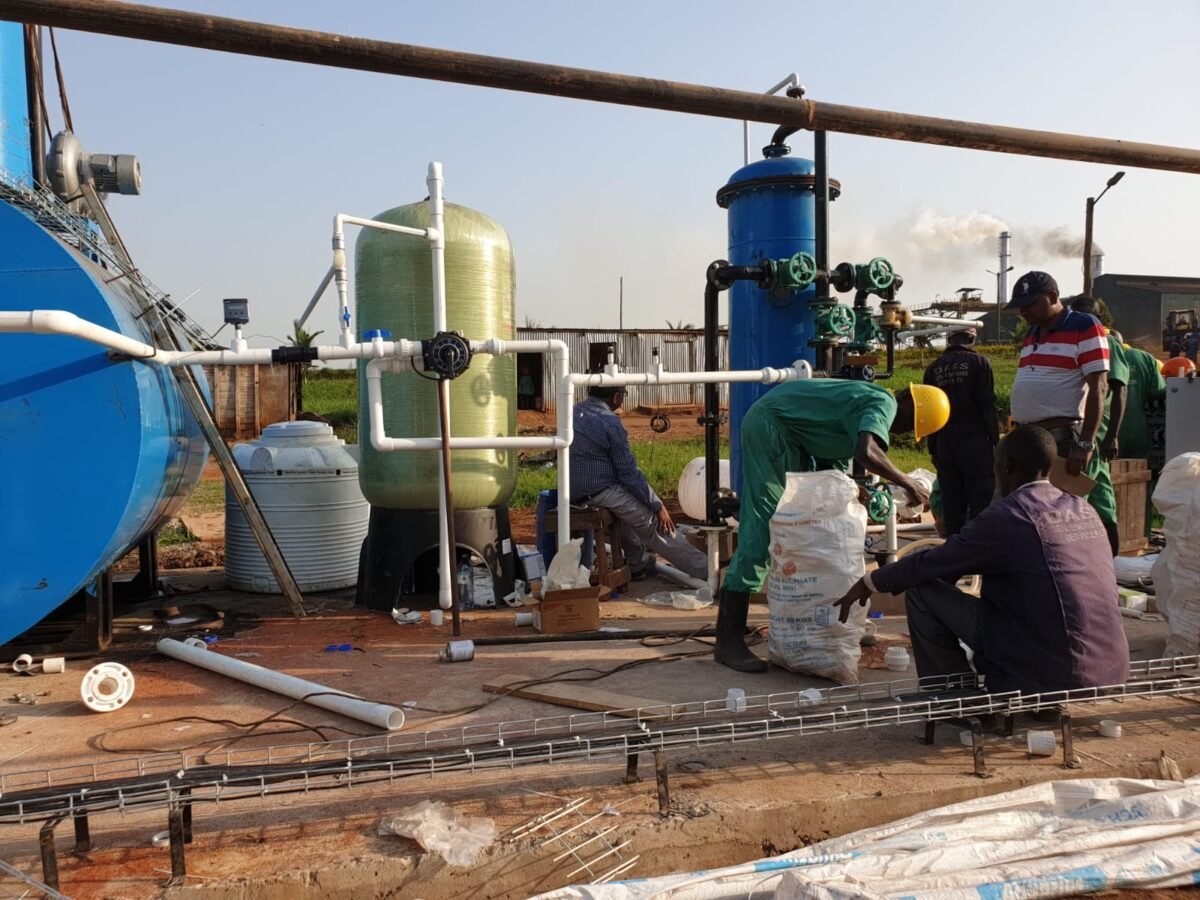
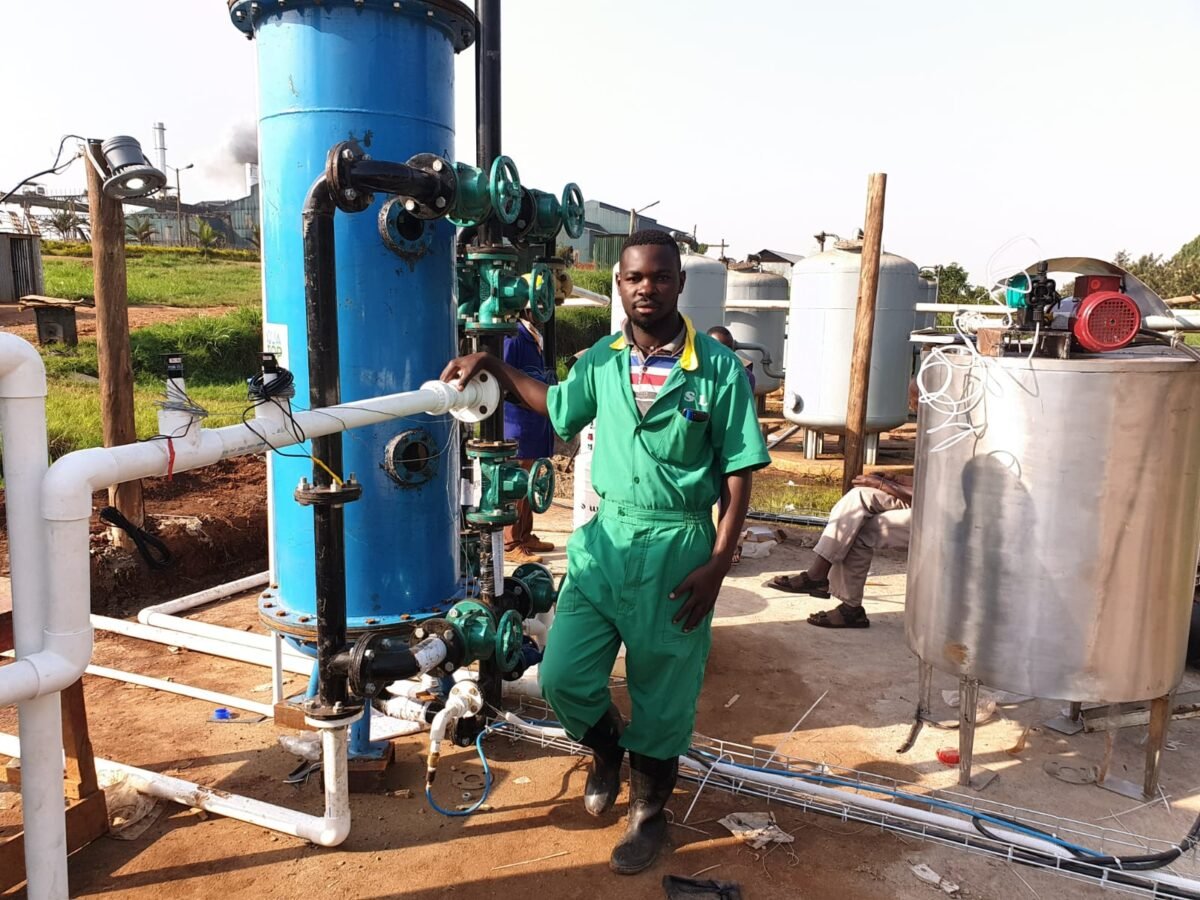
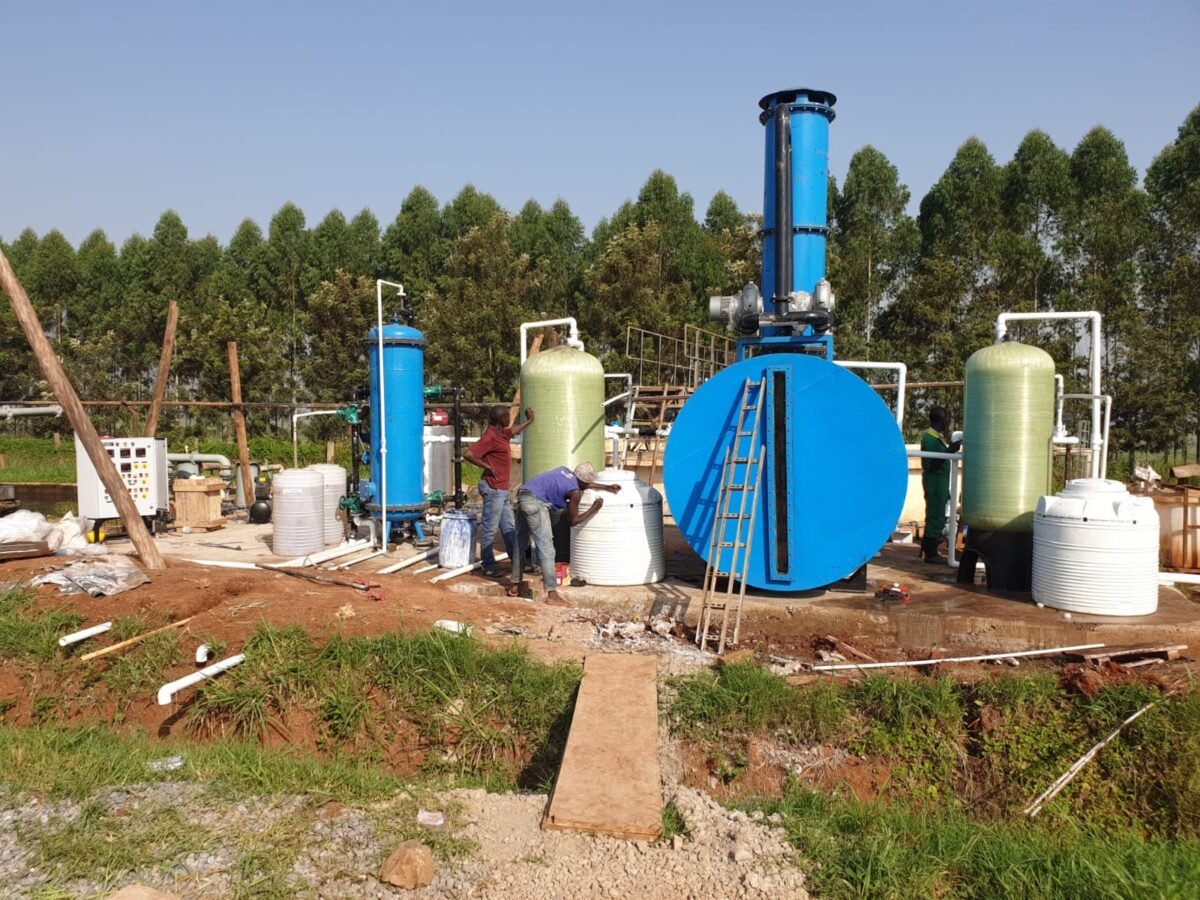
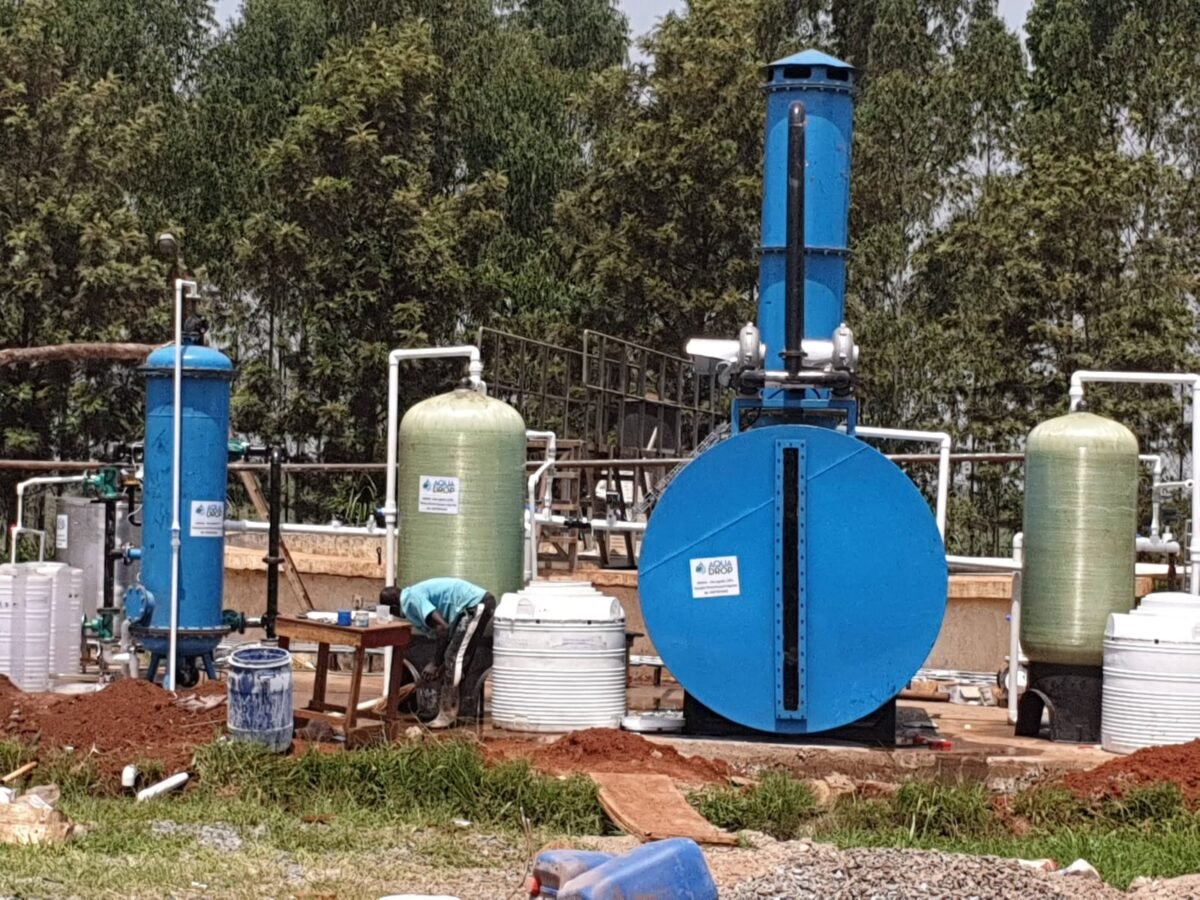
In a typical setup, the water enters a degasser tower and flows over special packing material placed inside the tower. At the same time, air is circulated through the unit. As the water spreads across the surface of the packing media, the air helps release the trapped gases from the water.
After this process, most of the carbon dioxide is removed. The treated water then becomes more stable and suitable for further treatment processes such as demineralization or boiler feed applications.